East Indian Patterns: A World of Color and Culture
East Indian patterns are more than just decorative elements; they're a reflection of centuries-old traditions, cultural stories, and artistic mastery. These intricate designs, often hand-painted or woven, have found their way into various aspects of life, from home décor to fashion and even modern design trends. Understanding East Indian patterns can open up new avenues for creativity, inspiration, and practical application in everyday life.
What Are East Indian Patterns?
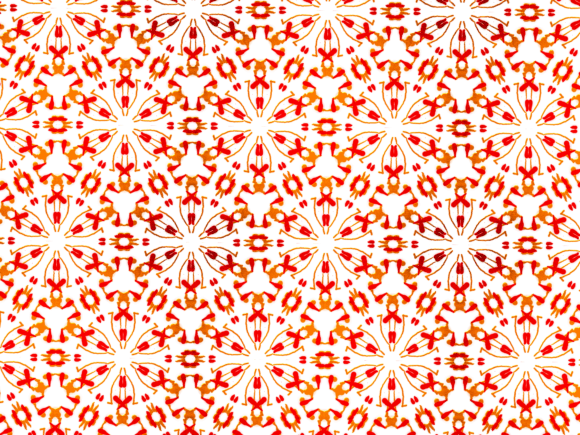
East Indian patterns encompass a wide range of traditional motifs and designs that originate from the eastern regions of India, including states like West Bengal, Assam, Odisha, and Bihar. These patterns are deeply rooted in local customs, religious symbols, and natural elements. They often feature vibrant colors such as deep reds, golden yellows, and rich greens, paired with intricate detailing that tells a story of heritage and craftsmanship.
Many of these designs are created using techniques passed down through generations, such as block printing, embroidery, and hand painting. The result is a unique blend of artistry and tradition that continues to captivate people around the world.
Real-World Applications of East Indian Patterns
Whether you're looking to add a touch of cultural flair to your living space or seeking inspiration for your next creative project, East Indian patterns offer a wealth of possibilities. Here are some practical ways they can be used:
- Home Decor: Incorporate East Indian patterns into your interior design by using throw pillows, rugs, or wall art featuring traditional motifs. These elements can bring warmth and character to any room while celebrating a rich cultural legacy.
- Fashion: Many designers use East Indian patterns in clothing, accessories, and textiles. From sarees to modern streetwear, these patterns add a distinctive visual appeal that stands out in any wardrobe.
- Art and Crafts: Artists and crafters often draw inspiration from East Indian patterns when creating paintings, mosaics, or handmade items. These designs can serve as a foundation for personal expression and artistic exploration.
- Weddings and Celebrations: Traditional weddings in East India often feature elaborate decorations and attire adorned with these patterns. They symbolize prosperity, love, and cultural pride, making them an essential part of the celebration.
Who Benefits from East Indian Patterns?
The beauty of East Indian patterns lies in their versatility. Different audiences can benefit from them in unique ways:
- Interior Designers: For professionals in the design industry, East Indian patterns provide a source of inspiration and a way to incorporate cultural elements into modern spaces. They can be used to create a cohesive theme or add a focal point to a room.
- Craft Enthusiasts: Hobbyists who enjoy DIY projects can find endless opportunities to experiment with these patterns. Whether it's painting, knitting, or creating handmade cards, the intricate details offer a chance to practice and refine skills.
- Business Owners: Entrepreneurs in the fashion, home goods, or art industries can leverage East Indian patterns to differentiate their products. These designs can attract customers looking for unique, culturally rich items.
- Travelers and Cultural Explorers: Those interested in learning about different cultures may find East Indian patterns fascinating. Exploring these designs can deepen their appreciation for the region's artistic heritage and storytelling traditions.
Practical Tips for Using East Indian Patterns
Before incorporating East Indian patterns into your projects or spaces, consider the following tips to ensure they align with your goals:
- Understand the Meaning: Some patterns carry symbolic significance. Researching their origins and meanings can help you use them respectfully and effectively.
- Balance and Contrast: While these patterns are visually striking, they can also be overwhelming if not used thoughtfully. Pair them with neutral tones or simpler designs to create a balanced look.
- Quality Matters: When purchasing items with East Indian patterns, look for high-quality materials and craftsmanship. This ensures longevity and maintains the integrity of the design.
- Contextual Fit: Consider how the pattern will fit within the overall aesthetic of your space or project. Some designs may work better in specific settings than others.
Strengths and Limitations of East Indian Patterns
Like any design element, East Indian patterns come with their own set of advantages and challenges:
- Strengths: Their vibrant colors and intricate details make them highly eye-catching. They also offer a strong cultural connection, which can be meaningful for many users.
- Limitations: In some cases, these patterns may not suit every style or environment. They can be too bold for minimalist spaces, or they may require careful selection to avoid clashing with other elements.
Despite these considerations, East Indian patterns continue to inspire and enrich various aspects of life. Whether you're drawn to their beauty, cultural significance, or creative potential, there's something here for everyone. By understanding how to use them effectively, you can bring a piece of this rich artistic tradition into your world.