African Patterns 4: A Celebration of Color, Culture, and Creativity
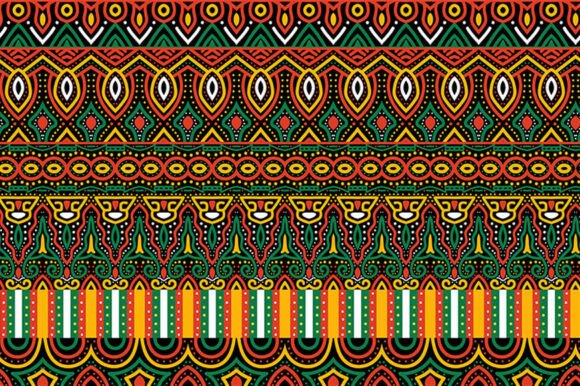
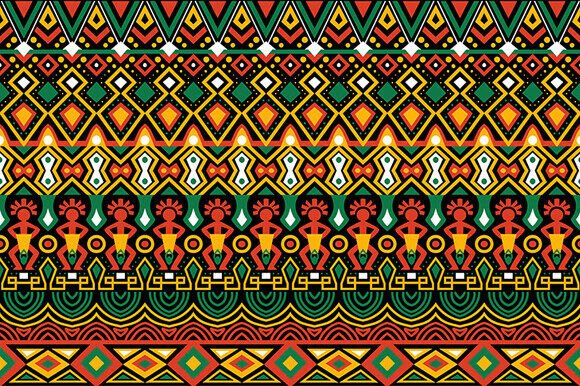
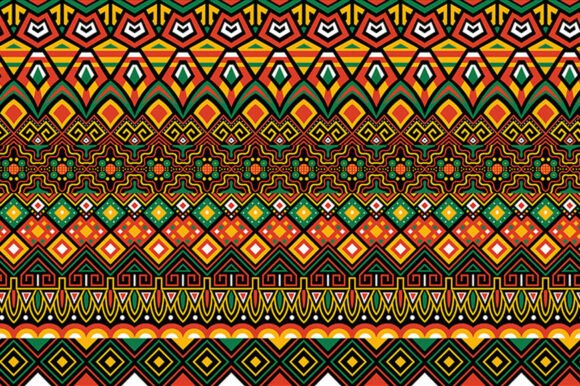
In a world increasingly driven by digital aesthetics and global design trends, the resurgence of African Patterns 4 highlights a powerful shift toward authenticity, heritage, and bold expression. This vibrant, seamless pattern features colorful geometric tribal motifs, ethnic ornaments, and bold decorative elements that capture the essence of African artistry. Its appeal spans across industries, from textile printing to home decor, making it a versatile tool for creators and businesses alike.
The relevance of African Patterns 4 lies in its ability to bridge tradition with modernity. As consumers seek more meaningful and culturally rich experiences, this pattern offers a way to infuse creativity with purpose. It’s not just about visual appeal—it’s about storytelling, identity, and connection to a shared cultural legacy.
The Evolution of African-Inspired Design
African-inspired patterns have long been a staple in global design, but their recent renaissance reflects a growing appreciation for diversity and cultural depth. African Patterns 4 is part of this evolution, offering a fresh take on traditional motifs while adapting to contemporary tastes and needs.
Designers and artists are increasingly turning to African patterns as a source of inspiration, recognizing their complexity, symbolism, and aesthetic versatility. The geometric shapes, intricate details, and vivid color palettes found in these designs resonate with modern audiences who value uniqueness and craftsmanship. This trend aligns with broader movements in fashion, interior design, and graphic arts that prioritize cultural awareness and ethical sourcing.
Moreover, the rise of sustainable and ethical design practices has made African Patterns 4 an attractive choice for eco-conscious creators. Many traditional African textiles are crafted using natural materials and time-honored techniques, which resonate with today’s demand for environmentally responsible products.
Trends Shaping the Demand for African Patterns 4
Several current trends are driving interest in African Patterns 4. One of the most significant is the shift toward personalized and artisanal products. Consumers are moving away from mass-produced items in favor of unique, handcrafted designs that reflect individuality and cultural heritage. African Patterns 4 fits perfectly into this space, offering a distinctive visual language that stands out in a crowded market.
Another factor is the increasing visibility of African culture on the global stage. From fashion runways to film and music, African influence is being celebrated in new ways. This heightened awareness has sparked a wave of interest in African-inspired design elements, including patterns like those found in African Patterns 4.
Additionally, the digital age has made it easier than ever to access and use African patterns in creative projects. Designers can now seamlessly integrate these motifs into digital prints, web backgrounds, and social media content. This accessibility has expanded the reach of African Patterns 4, making it a go-to resource for a wide range of applications.
Practical Applications of African Patterns 4
The versatility of African Patterns 4 makes it ideal for a variety of uses. In the textile industry, it’s used for fabric prints, clothing designs, and home furnishings. For example, a designer might incorporate the pattern into a line of scarves or curtains, adding a touch of cultural flair while maintaining a modern aesthetic.
In the realm of home decor, African Patterns 4 can be used for wallpaper, cushions, and wall art. These elements bring warmth, energy, and a sense of history to any space. They also offer a way to express personal style while honoring a rich cultural tradition.
For packaging and stationery, the pattern adds a striking visual element that catches the eye. Brands looking to stand out in a competitive market may use African Patterns 4 for product boxes, business cards, or promotional materials. This not only enhances the visual appeal but also communicates a commitment to diversity and creativity.
Wrapping paper and gift bags featuring African Patterns 4 provide a unique and memorable way to present gifts. This application is especially appealing during holidays or special occasions when people are looking for something different and meaningful.
Why African Patterns 4 Matters for Creators and Businesses
For creators, African Patterns 4 represents an opportunity to explore new design directions while staying true to cultural roots. It allows artists to experiment with color, form, and symbolism, leading to innovative and expressive work. Whether designing for a fashion collection, a digital illustration, or a home decor line, the pattern offers endless possibilities.
Businesses, too, can benefit from incorporating African Patterns 4 into their offerings. In a market where differentiation is key, using this pattern can help brands carve out a unique identity. It also appeals to a growing audience that values cultural authenticity and ethical production.
Furthermore, the pattern’s adaptability means it can be tailored to fit various styles and purposes. From minimalist interpretations to bold, statement-making designs, there’s a version of African Patterns 4 that suits every need. This flexibility makes it a valuable asset for both small-scale artisans and large-scale manufacturers.
Recommendations for Using African Patterns 4
If you’re considering using African Patterns 4 in your projects, start by understanding its cultural significance. While the pattern is visually striking, it’s important to approach it with respect and awareness. Research the origins of the motifs and consider how they can be adapted without appropriating or misrepresenting the culture.
Experiment with different applications to see what works best for your goals. Try using the pattern in small doses, such as on a single item or a background, before committing to larger projects. This allows you to test its impact and refine your approach.
Collaboration can also enhance the use of African Patterns 4. Work with local designers, artists, or cultural experts to ensure that your use of the pattern is thoughtful and informed. This not only improves the quality of your work but also supports the communities behind the designs.
Finally, stay connected with the evolving trends around African-inspired design. As new styles and techniques emerge, you’ll have the opportunity to update and expand your use of African Patterns 4 in ways that remain relevant and impactful.
Looking Ahead: The Future of African Patterns 4
The future of African Patterns 4 looks promising as interest in cultural design continues to grow. With more people seeking meaningful and authentic experiences, the demand for patterns that reflect heritage and creativity is likely to increase. This presents opportunities for creators, businesses, and consumers to engage with African art in new and exciting ways.
As technology advances, we may see even more innovative uses of African Patterns 4, from augmented reality applications to interactive digital experiences. These developments could further expand the pattern’s reach and relevance, making it a staple in both traditional and modern design landscapes.
Ultimately, African Patterns 4 is more than just a design element—it’s a reflection of a vibrant and diverse cultural heritage. Its continued popularity speaks to the enduring power of African art and the growing appreciation for its beauty and meaning. Whether you’re a designer, a business owner, or a curious reader, there’s much to explore and appreciate in this dynamic and inspiring pattern.